
12 - 15 years old
Adolescent Program
“It is the education of adolescents that is important because adolescence is the time when the child enters the state of adulthood and becomes a member of society.”
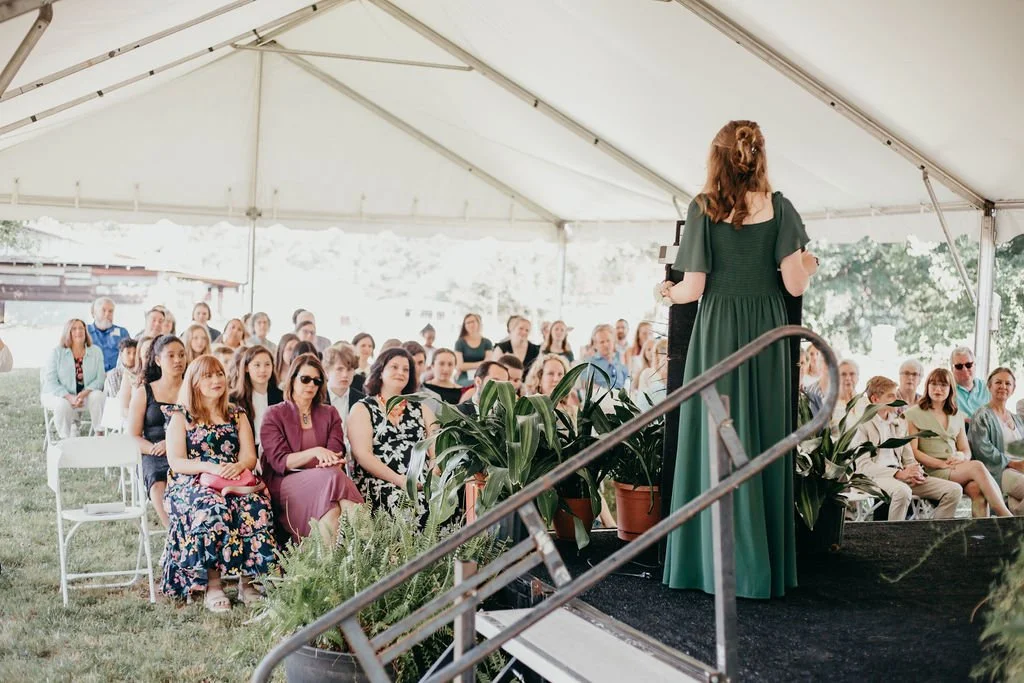
WSM Adolescent Program Graduation - Student Speeches
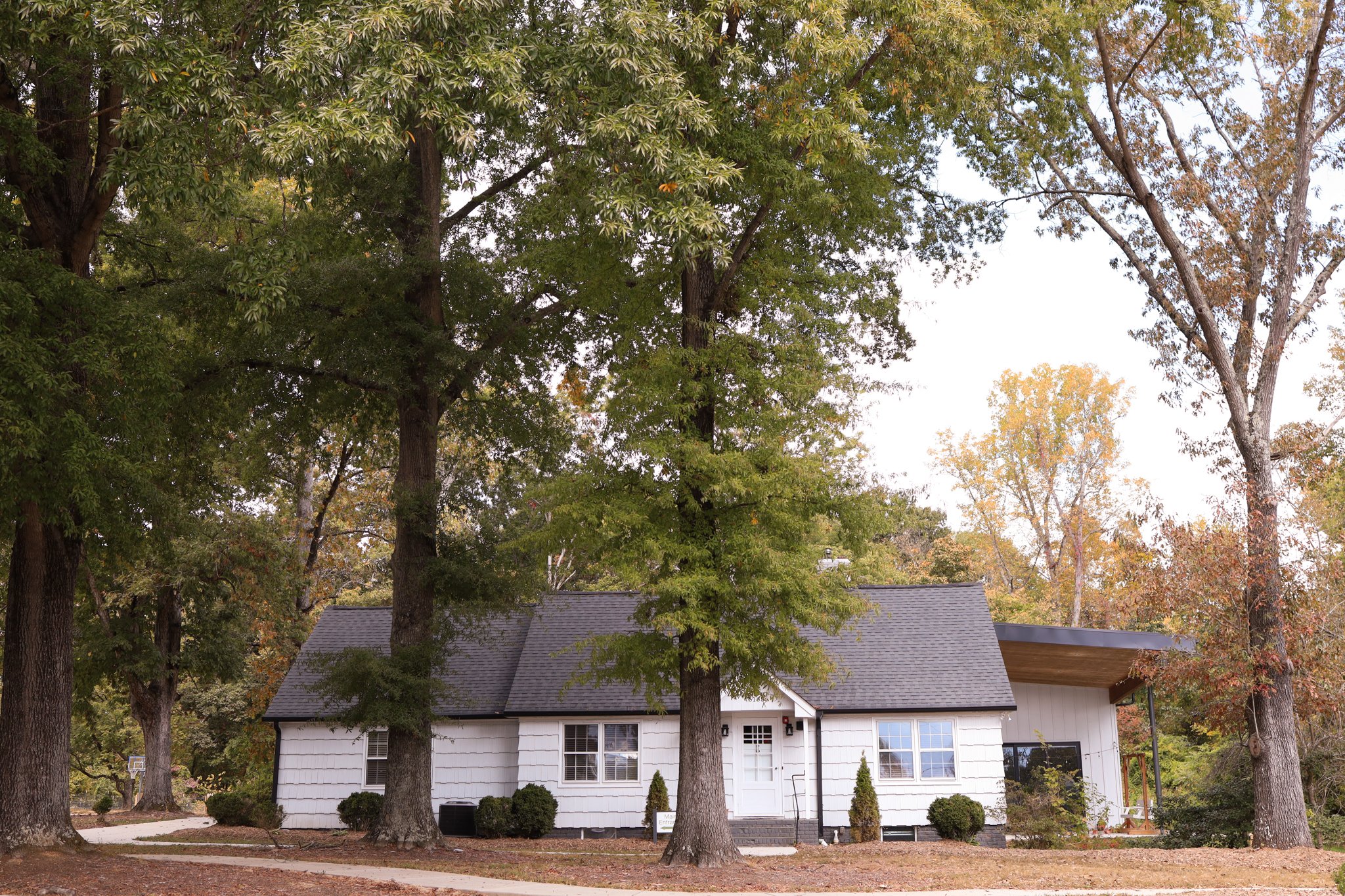
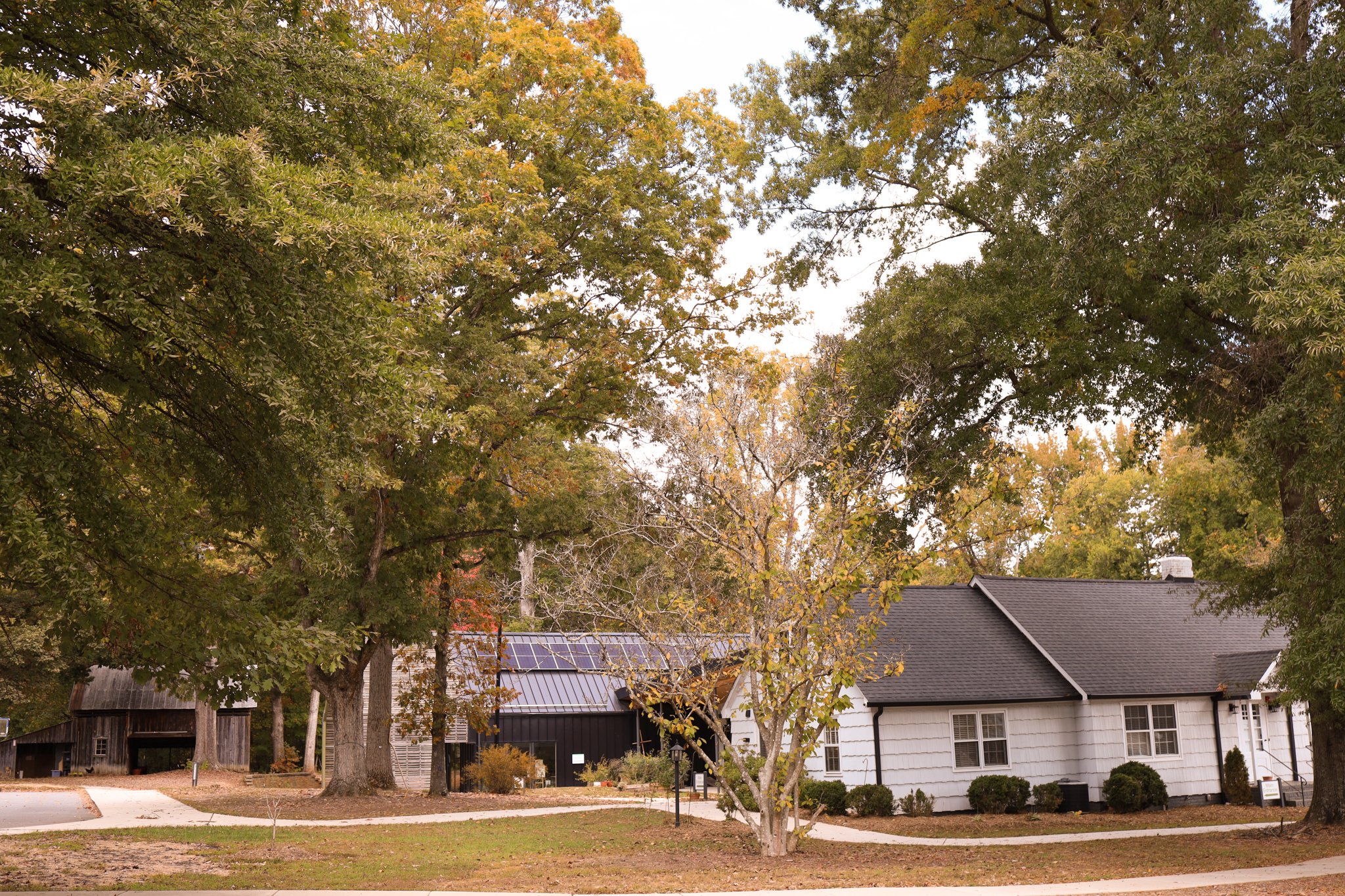
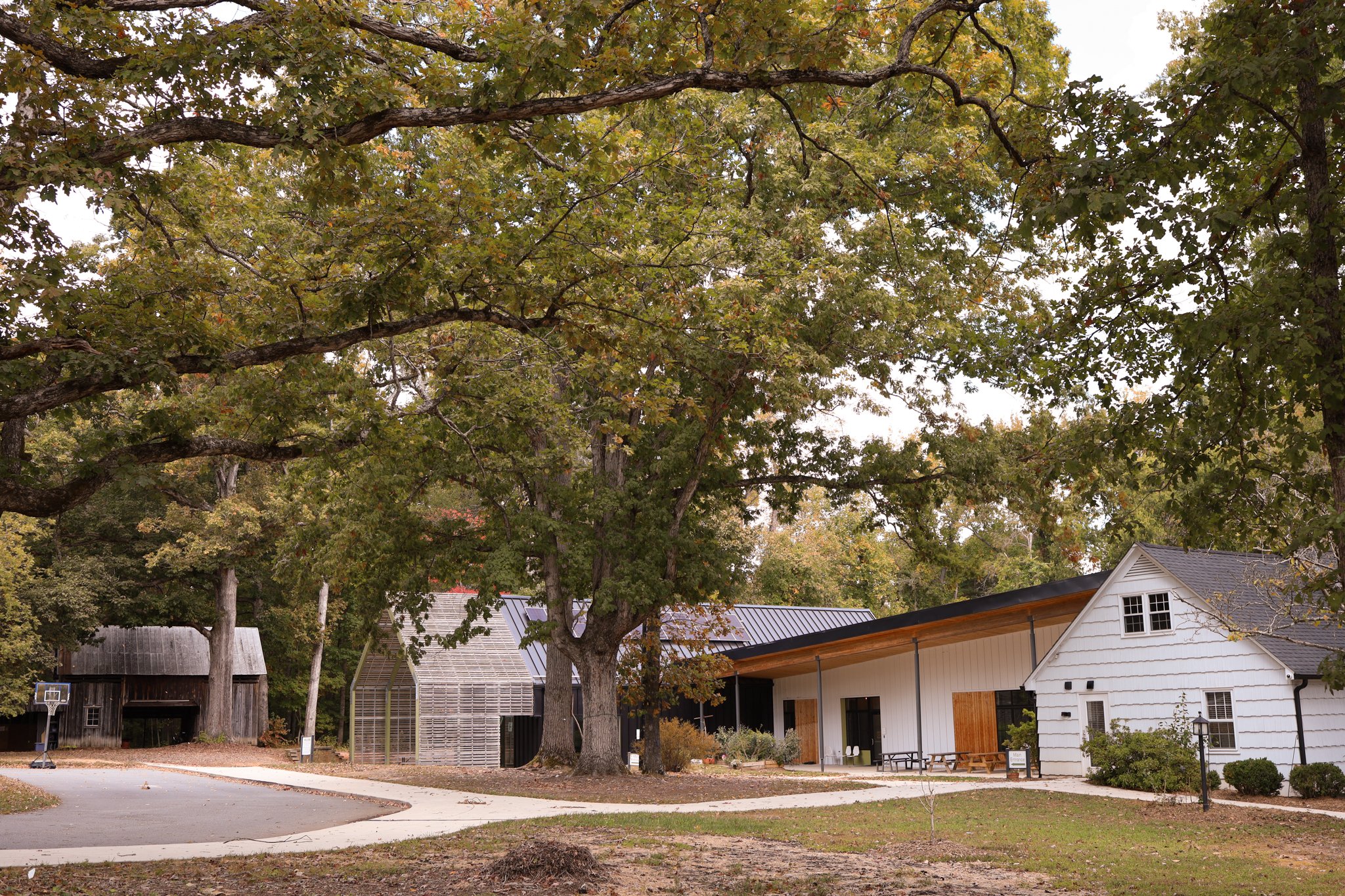
Welcome to the Adolescent Program
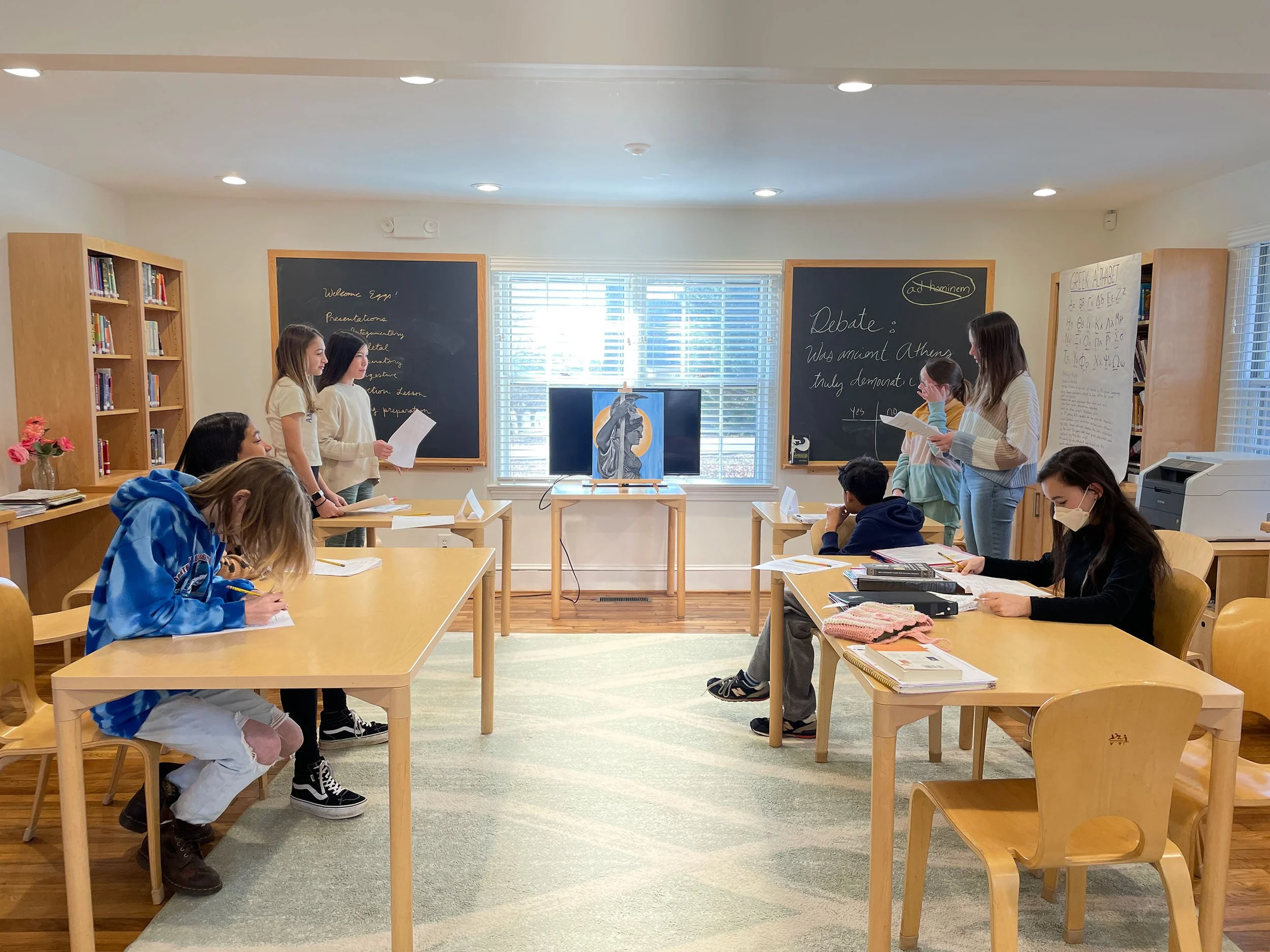
The adolescent years are a time of significant changes physically, emotionally, and socially. Adolescents are eager for intellectual stimulation, self-expression, independence, and internal validation. Our Adolescent Program is based on understanding the needs and characteristics of 12 to 15-year-olds. We target the need for physical, concrete educational experiences and the opportunity for abstract learning. The Adolescent Program creates, guides, and supports the development of knowledge and skills through authentic experiential learning.
What does an Adolescent Program curriculum look like at a Montessori School?
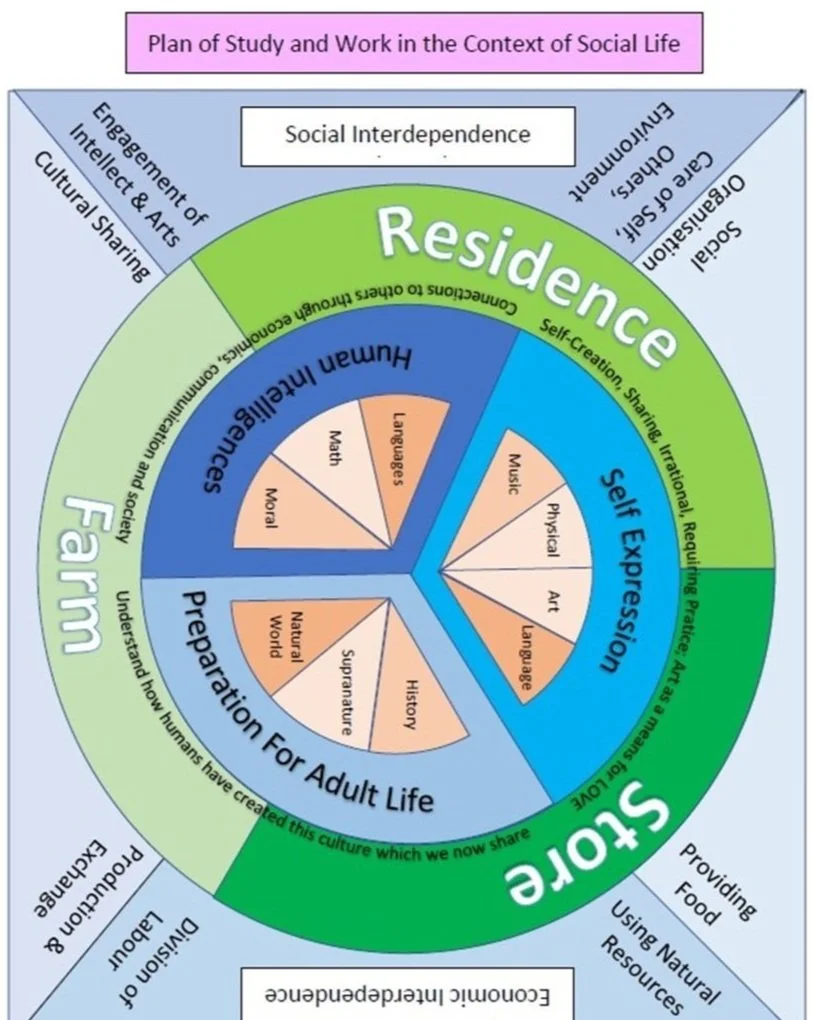
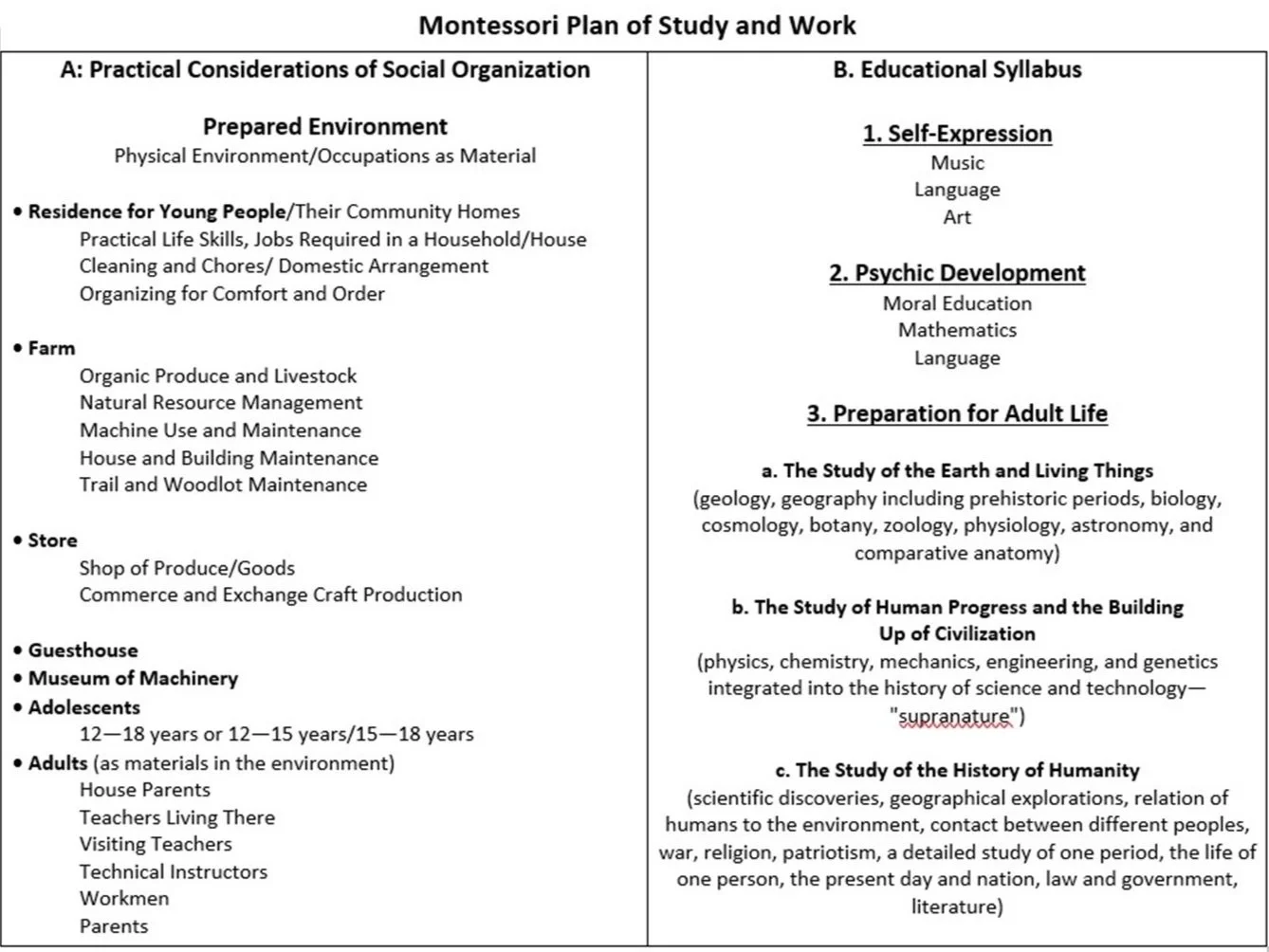
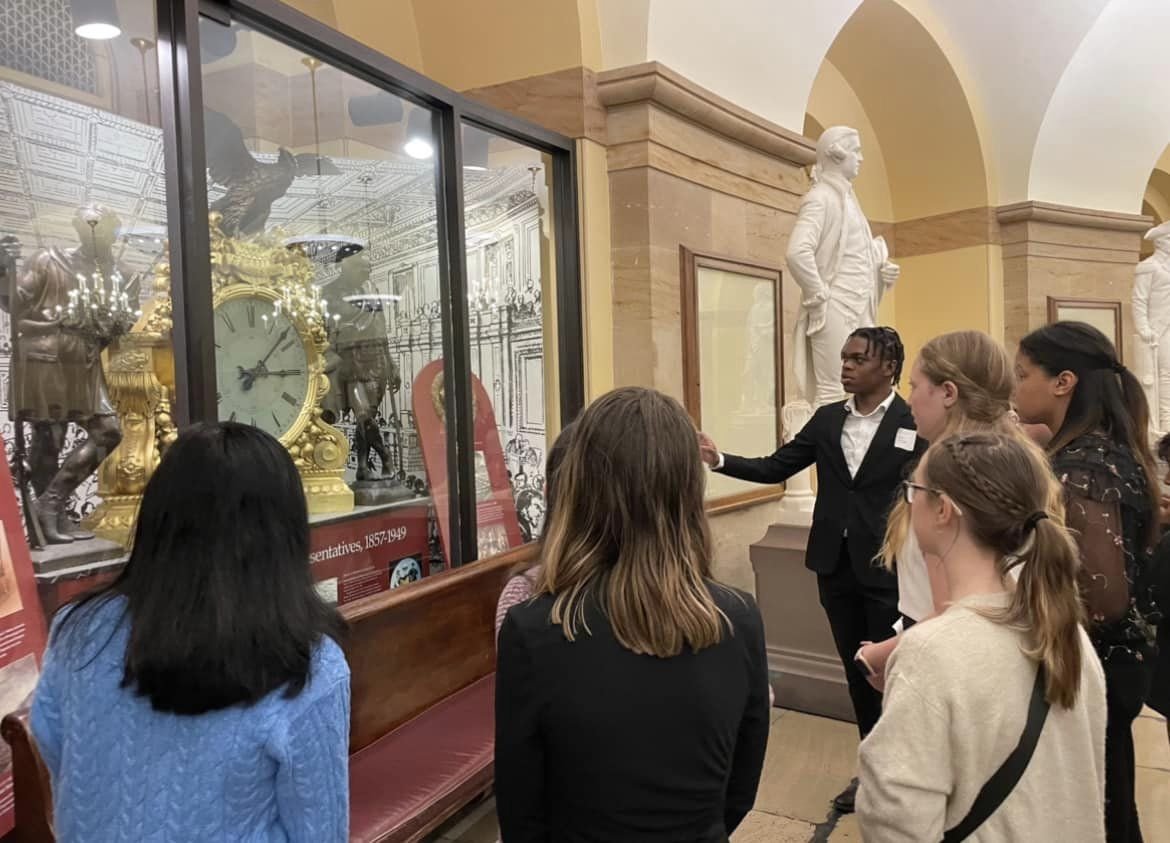
Montessori education encourages teens to take on meaningful community roles related to their academic journeys. We mirror real-world concepts in a tangible, authentic way.
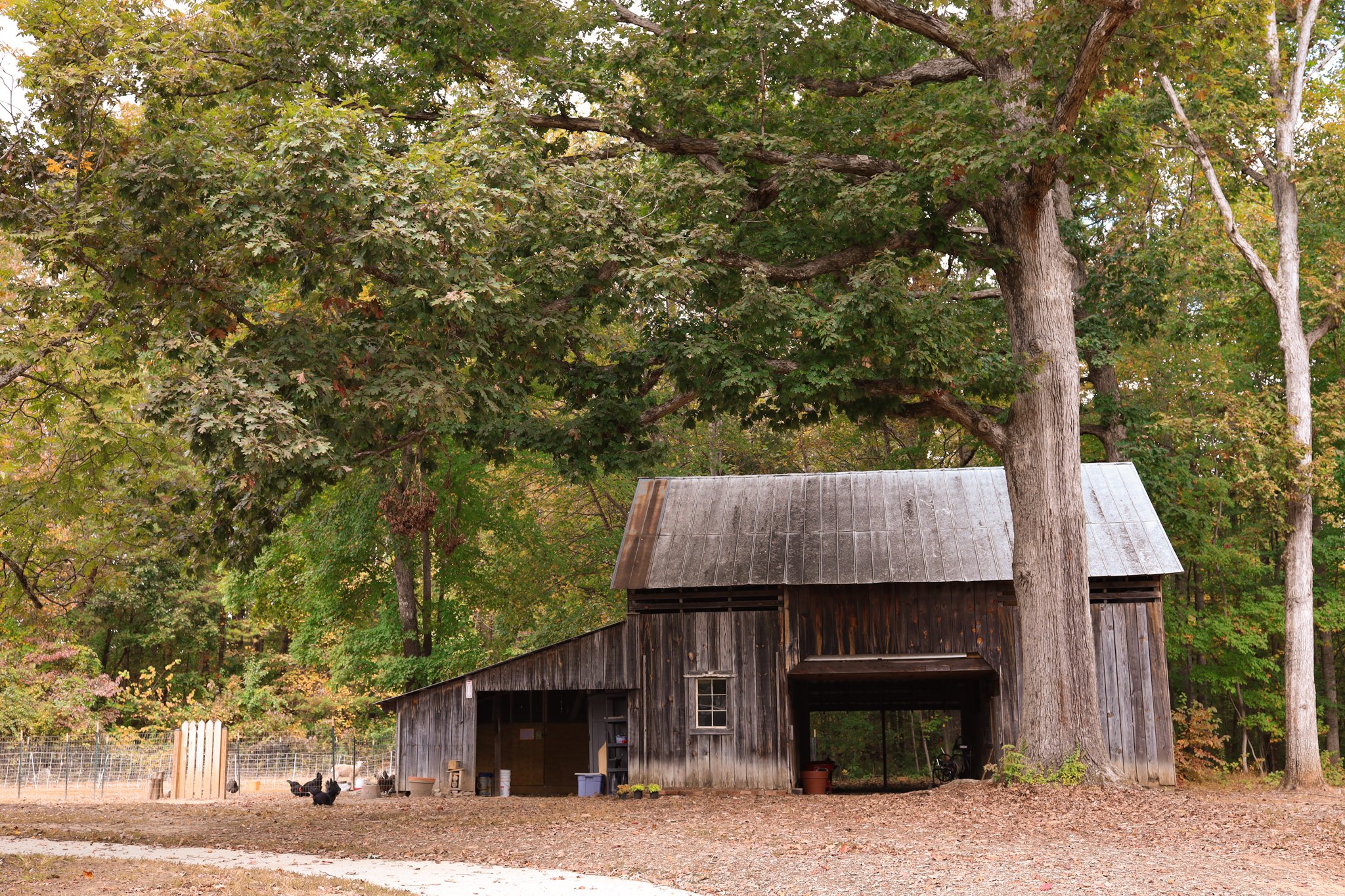
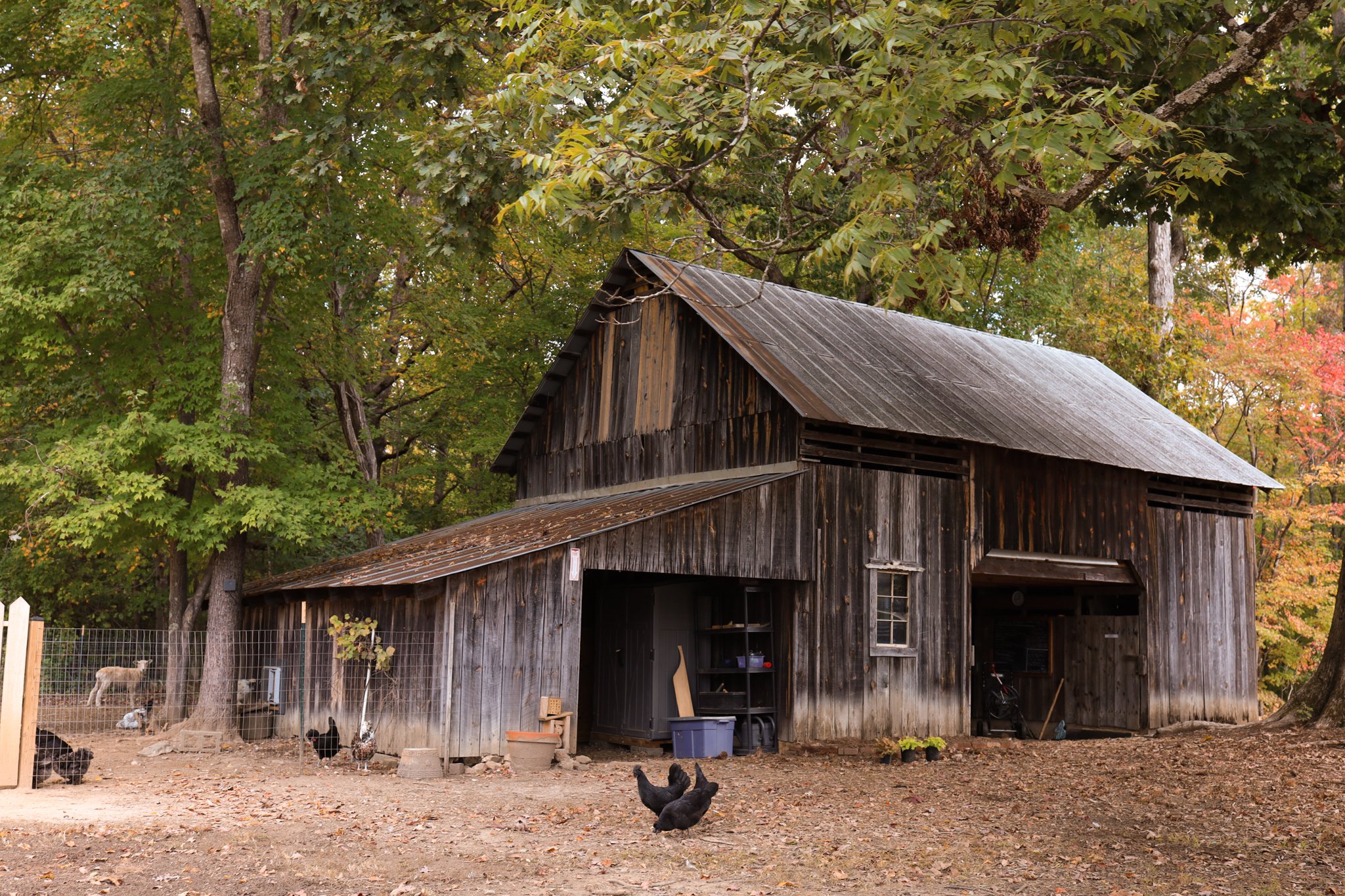
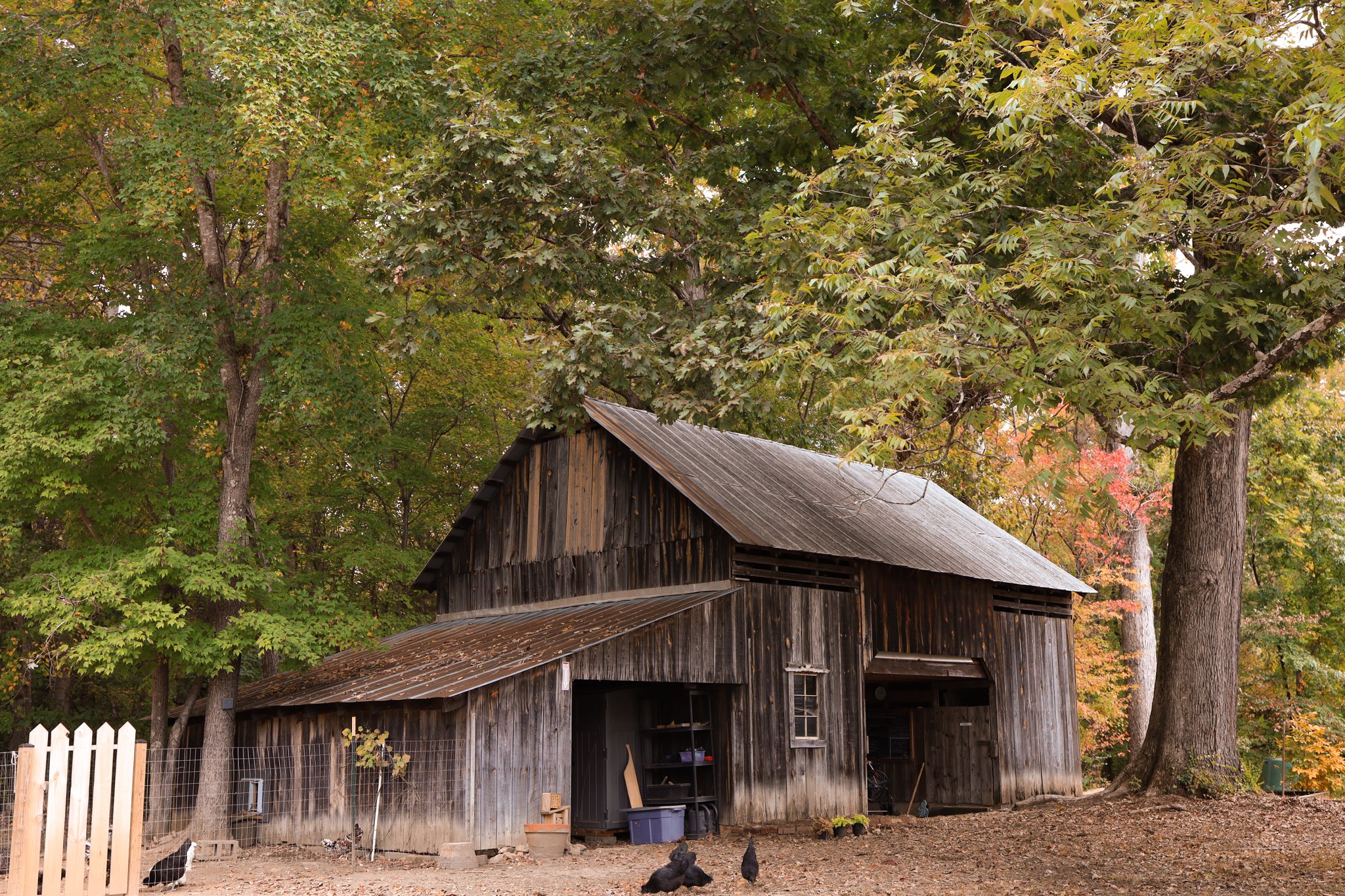
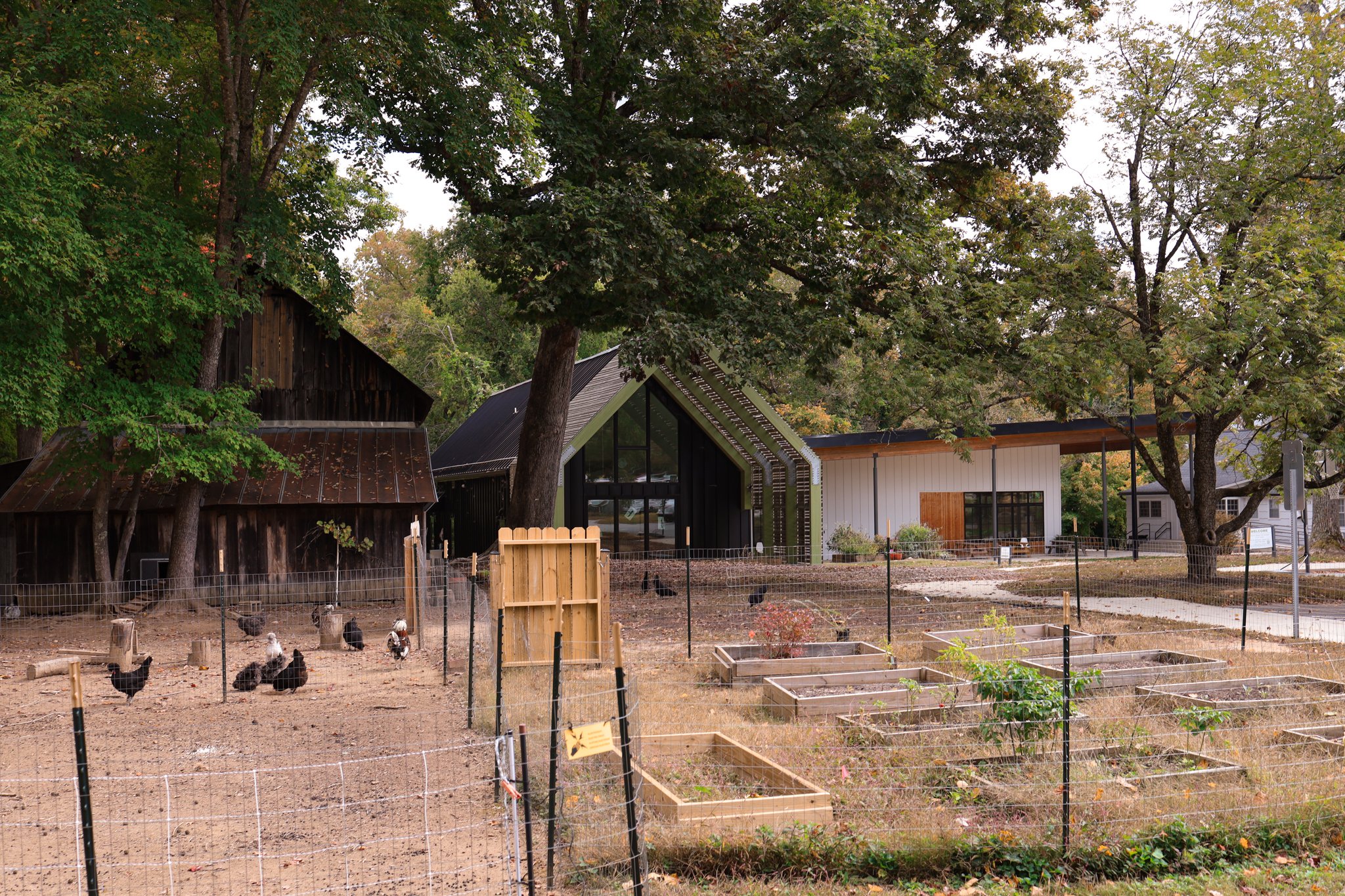
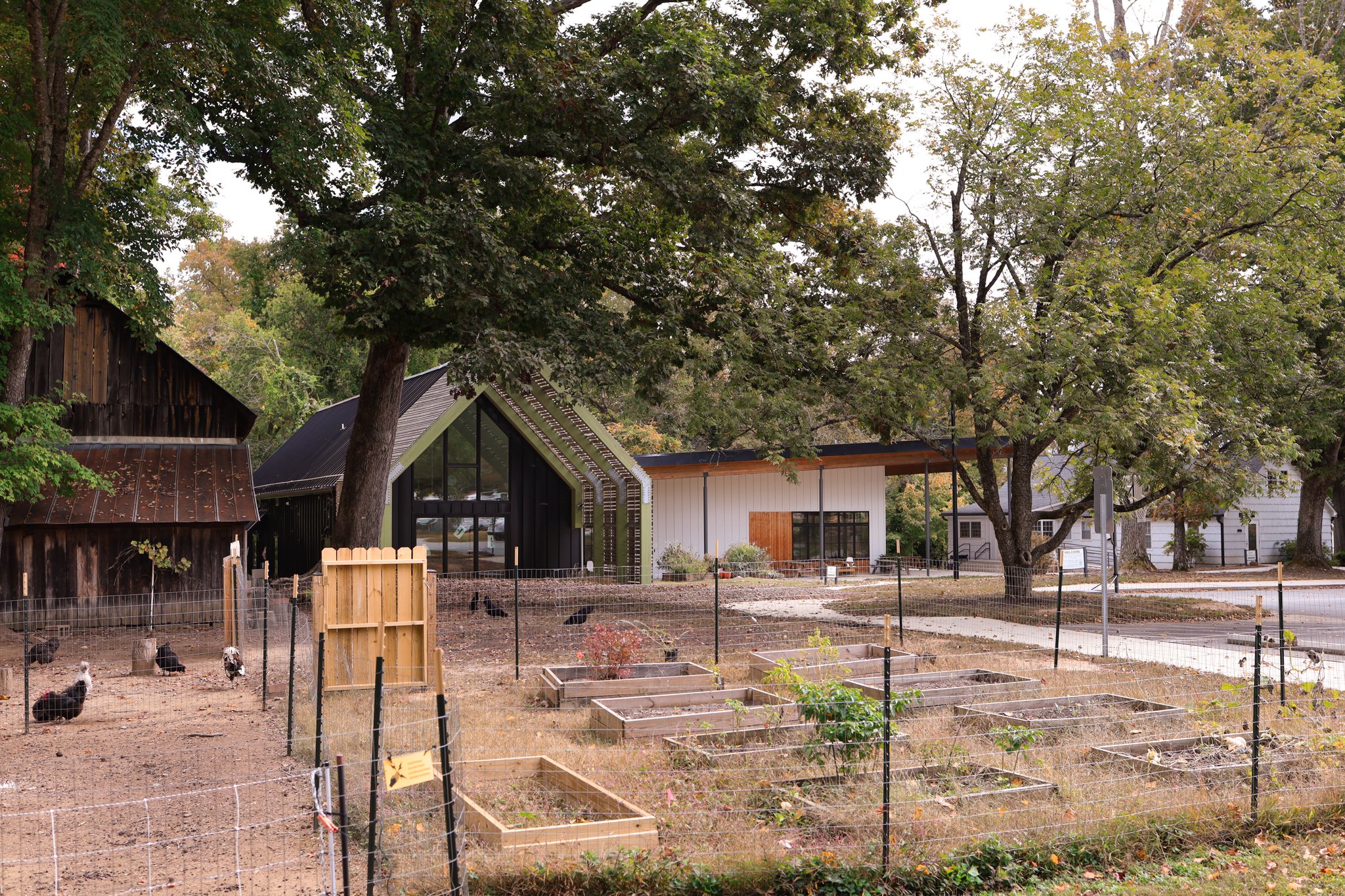
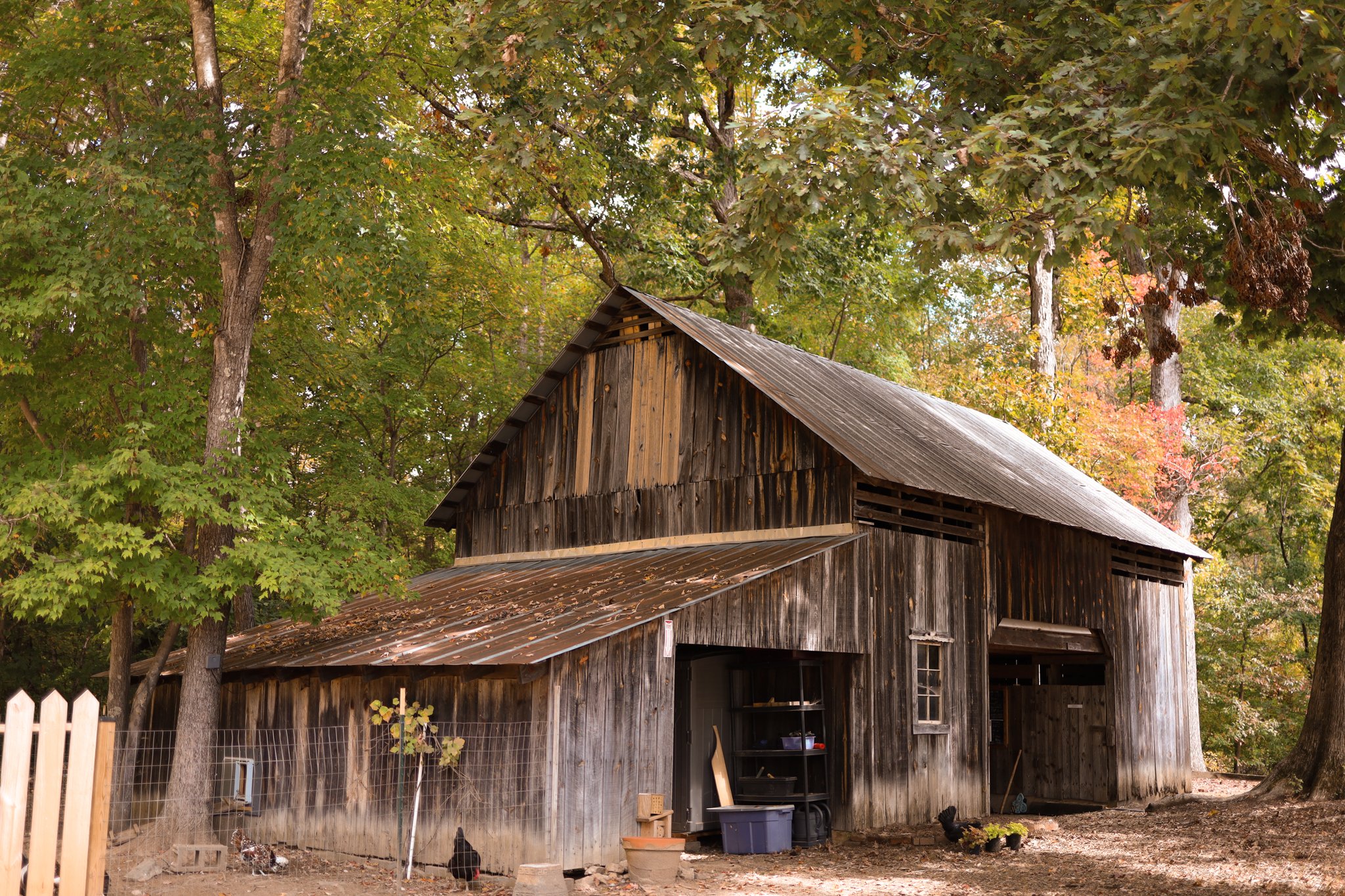
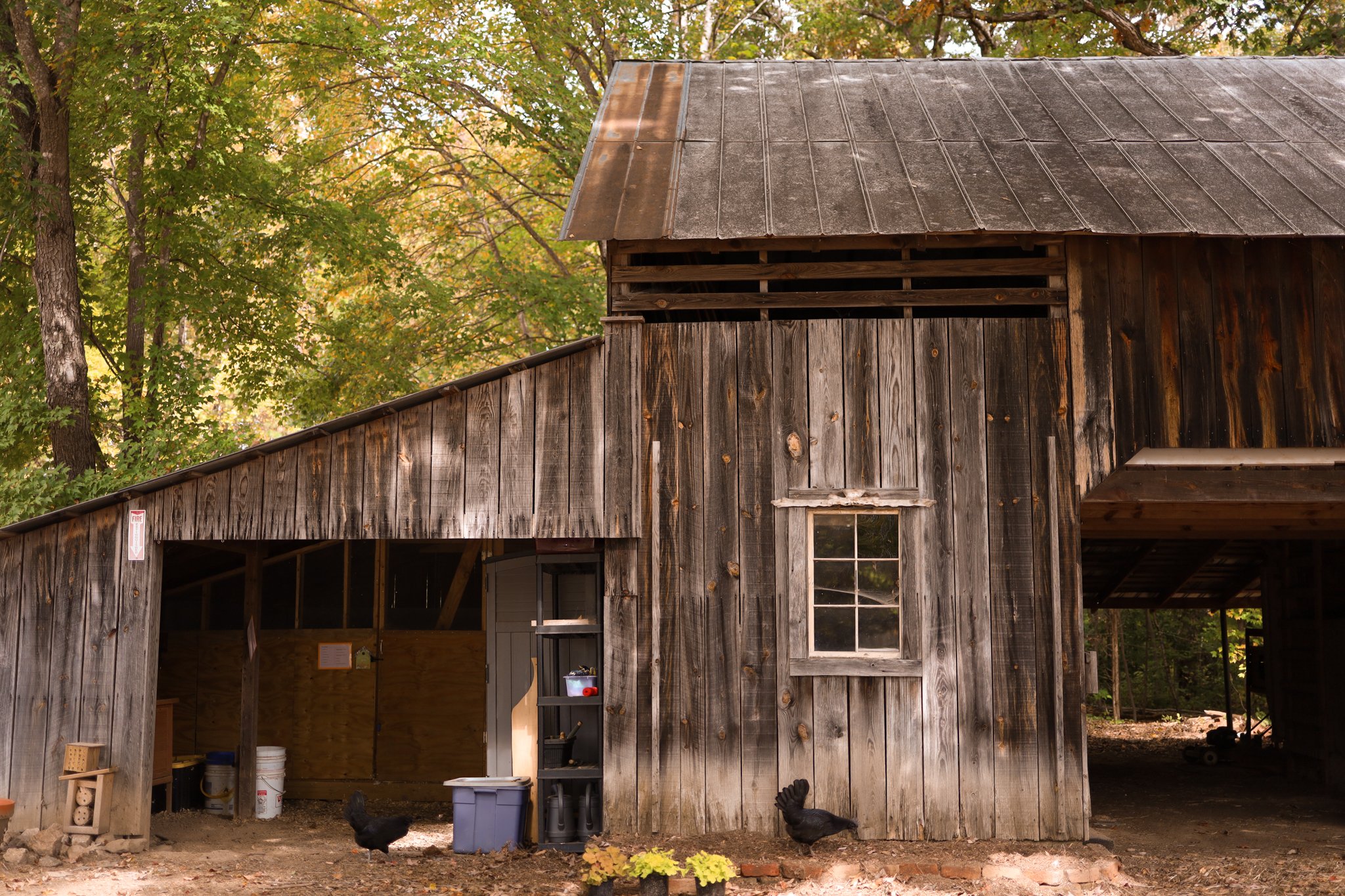
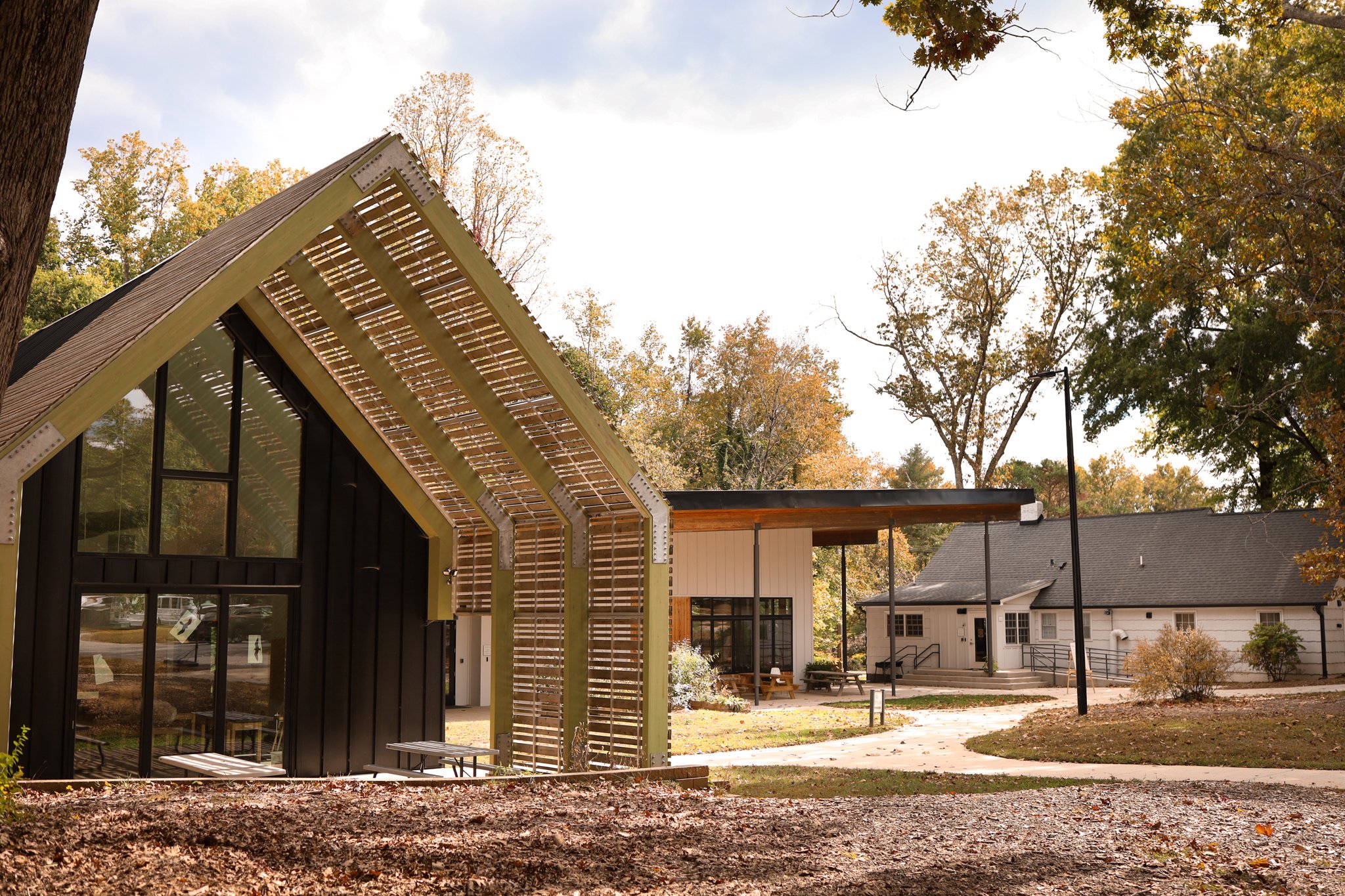
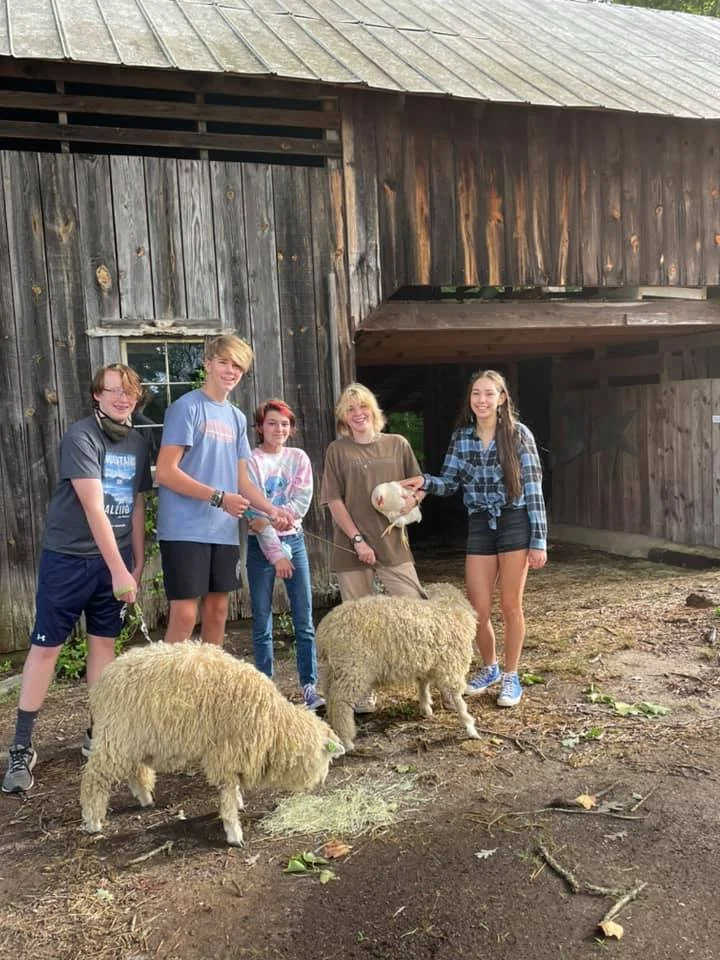
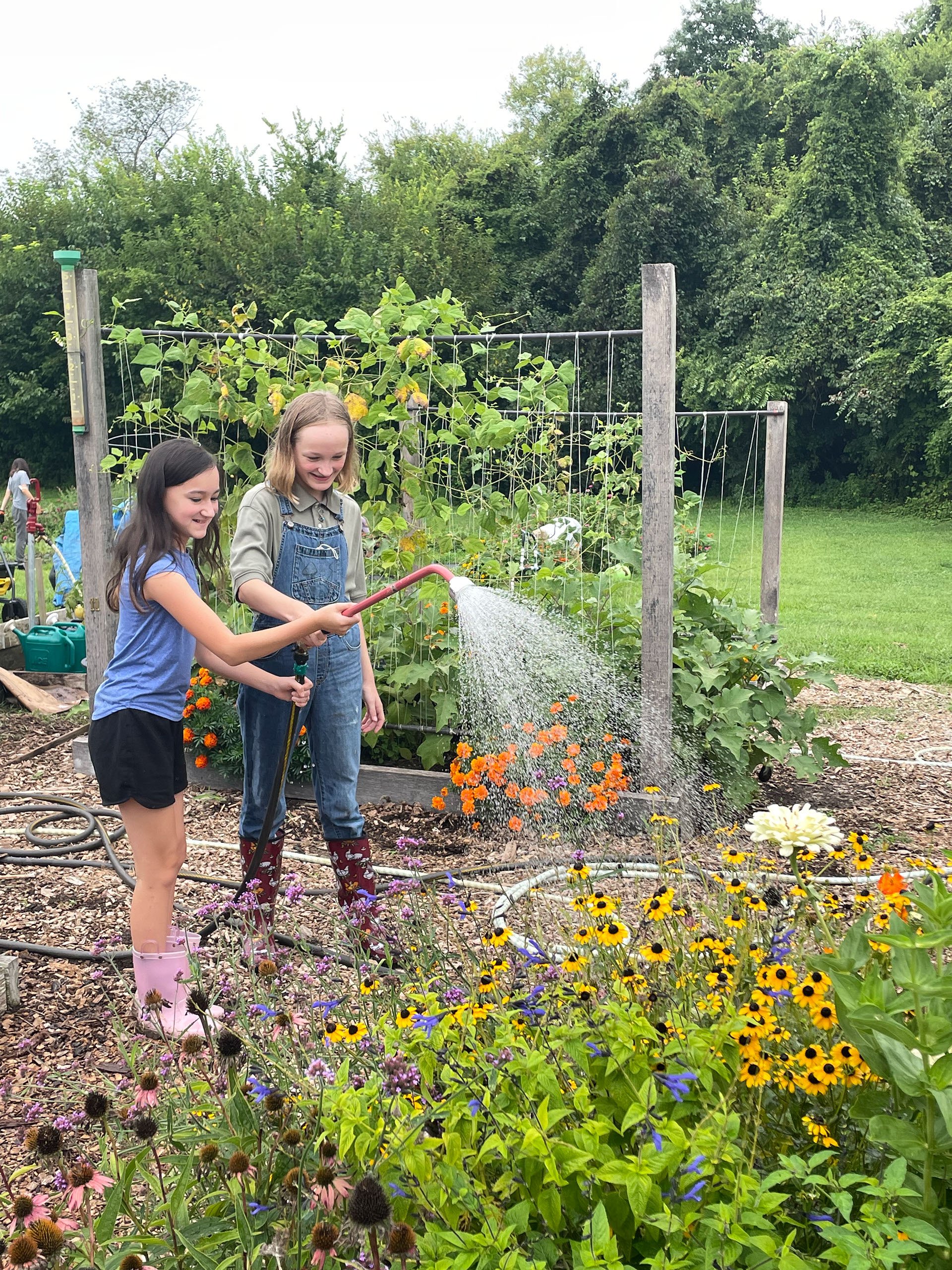
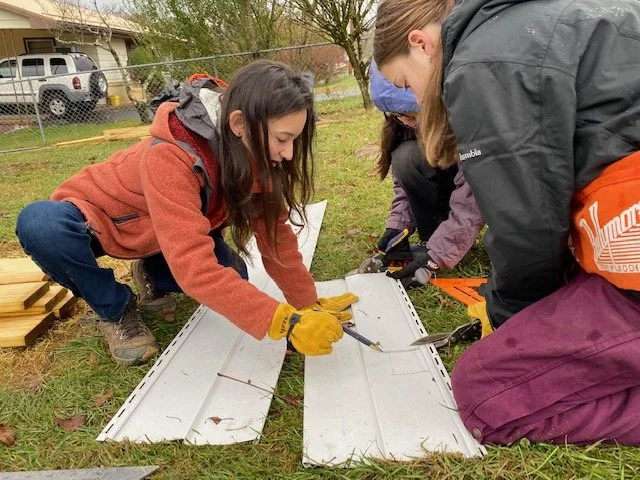
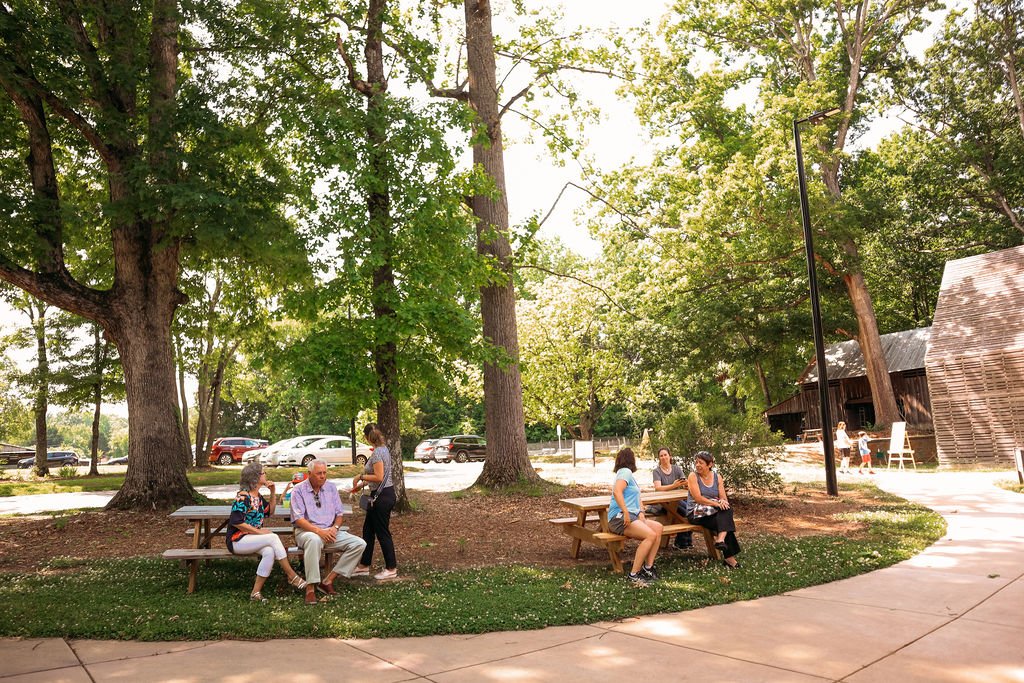
Our program creates a micro-community where students learn about farming, social skills, adult responsibilities, confidence, and basic ecology. Every adolescent is encouraged to work with their hands and become an active, integral member of their community.
Alan’s Oak
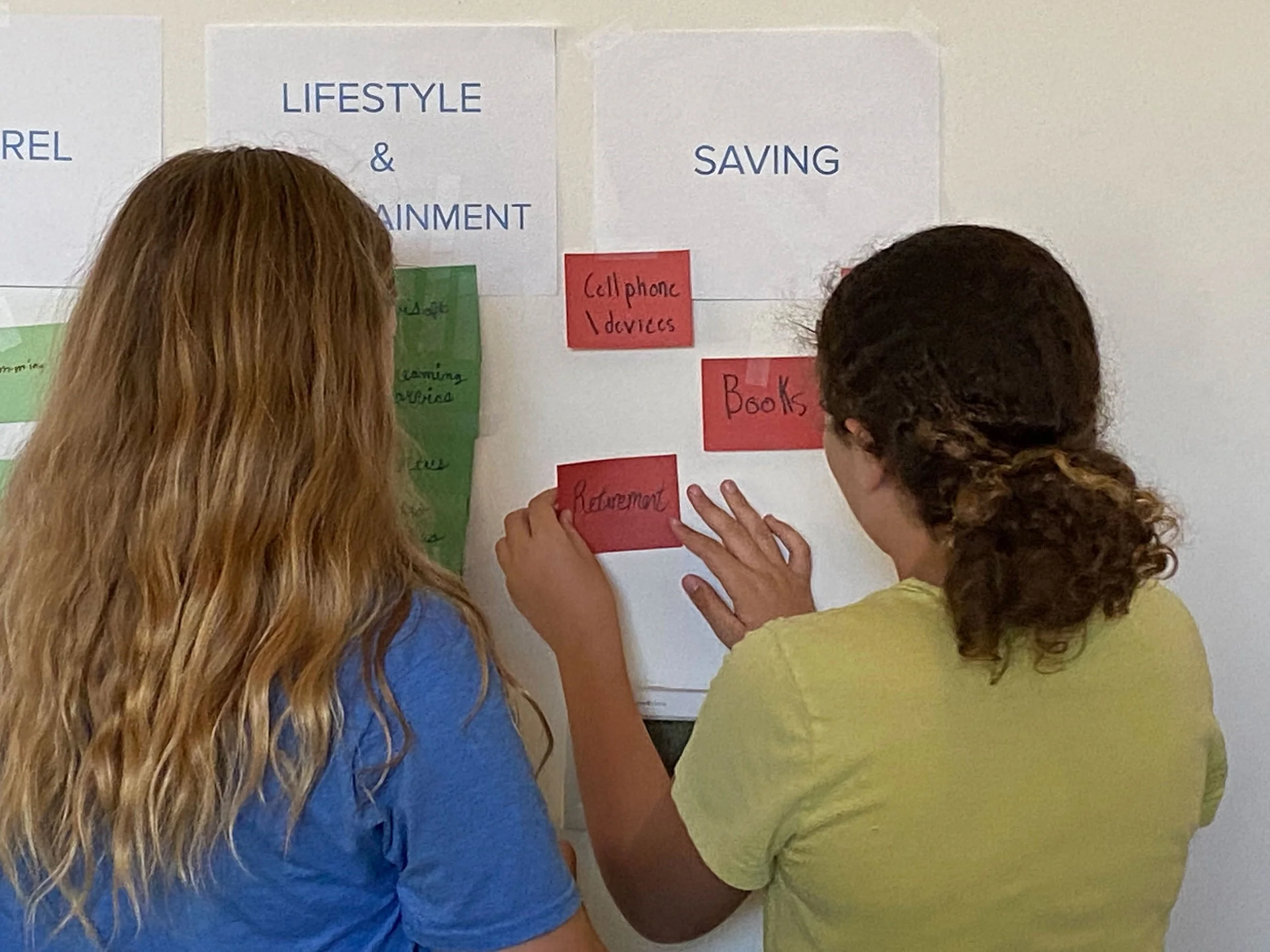
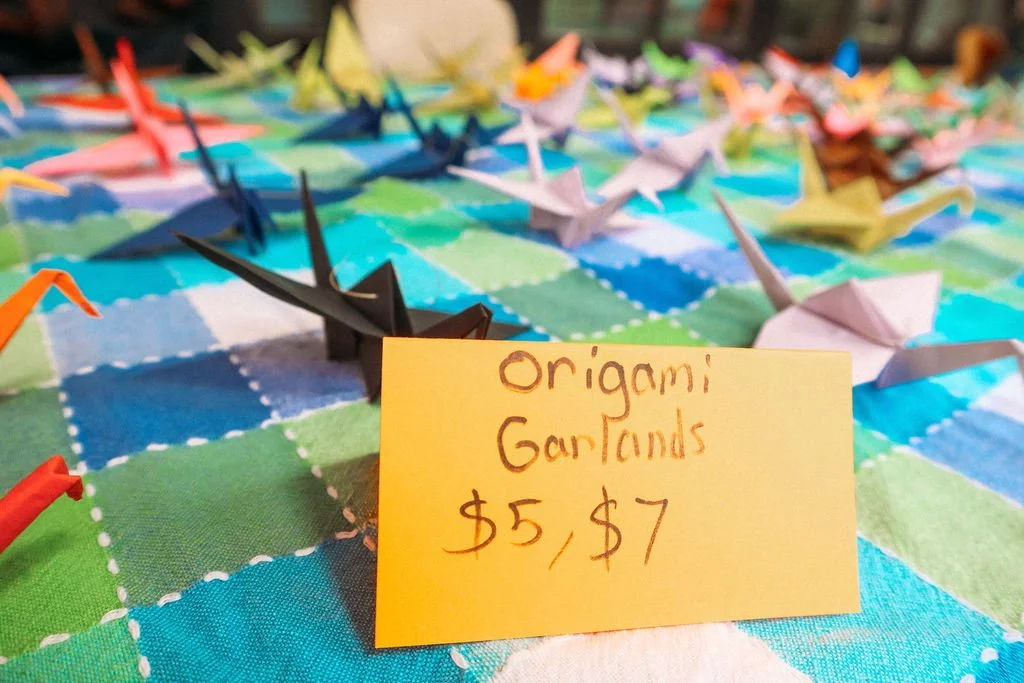
Winston-Salem Montessori School provides adolescents with an opportunity to experience economic independence. The adolescents have their own small business, a micro-economy called Alan’s Oak. The students are responsible for a checking account, researching, creating, pricing and selling products. The students are responsible for determining the cost per unit, use their findings to determine a reasonable cost for each product and utilize profit towards the farm and micro-economy.
Occupations: The Work and Care of the Land
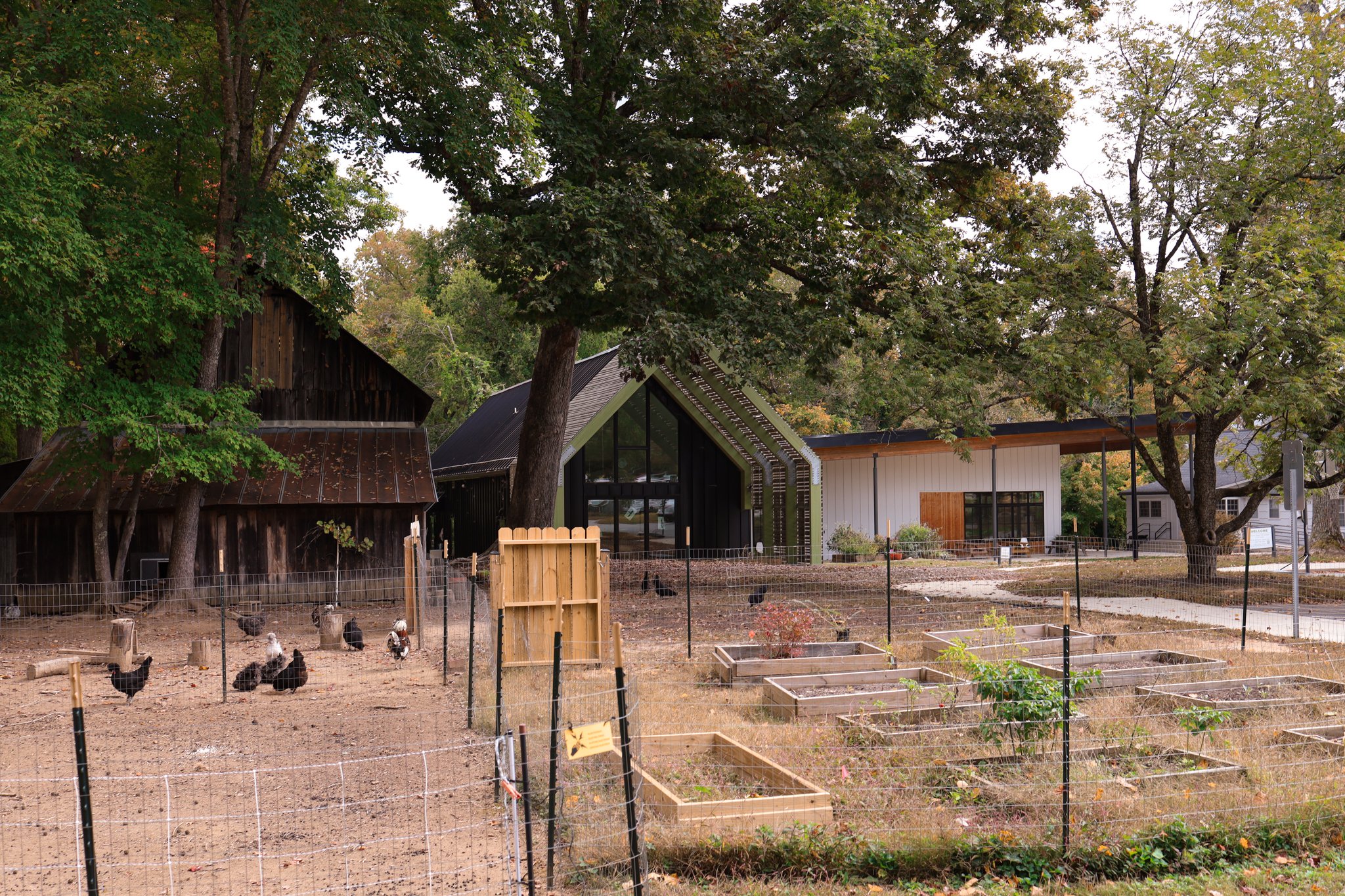
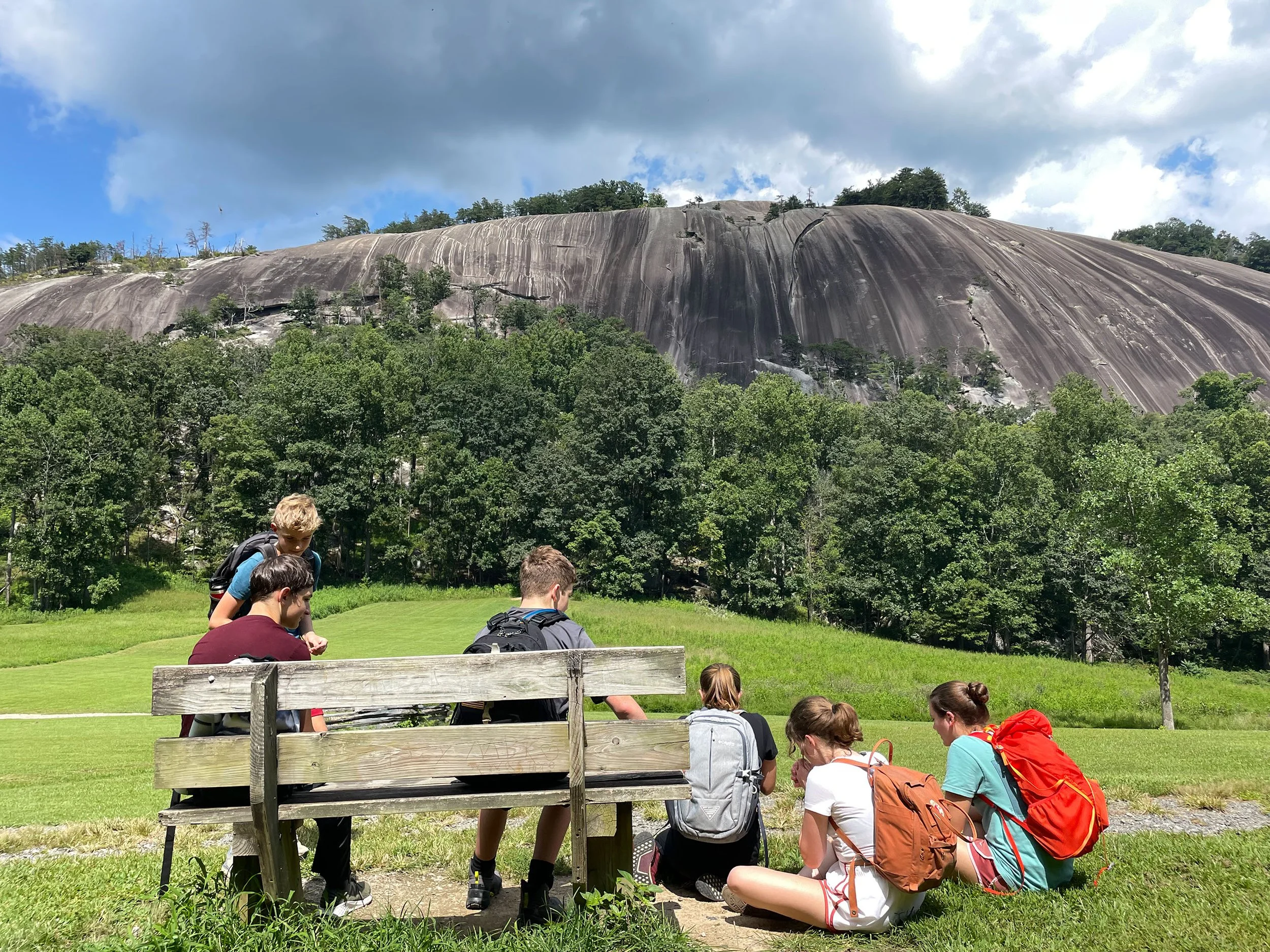
By working in a small community and doing what the land calls upon them to do, the adolescents develop a deeper understanding of the importance of the role they play in the well-being and success of the community. This community-minded work allows the students to see the possibilities for their future roles in society. The work and care of the land are called Occupations. This is a melding of academic knowledge and problem-solving skills. The varying occupations require the students to use their math, science, and language skills to complete the necessary work based on the students’ interests or the needs of the land. Some occupations include organic gardens, raising chickens, and building trails.
Self-Expression: Creative and Physical
This curriculum area speaks the most to who the adolescents are at this time in their development. There are many changes occurring in their minds and bodies and because of this it is important for the students to have many opportunities for creative expression and physical activity. During these times, the students will engage in areas of choice which include pottery, creative writing, graphic design, drama, music, physical development such as sports and games, personal fitness (swimming, running, yoga, etc.) and nutrition.
Education as the Preparation for Adult Life
Practical experiences and knowledge that prepare students for adult life are integrated throughout the adolescent program. The goal of this work is to nurture a respect for and an understanding of the life and work of humanity and its collective endeavors over time. The subjects studied in this area:
Study of Earth and Living Things: Earth and Life Sciences
Study of Human Progress and the Building up of Civilization: Physics, Chemistry, Mechanics
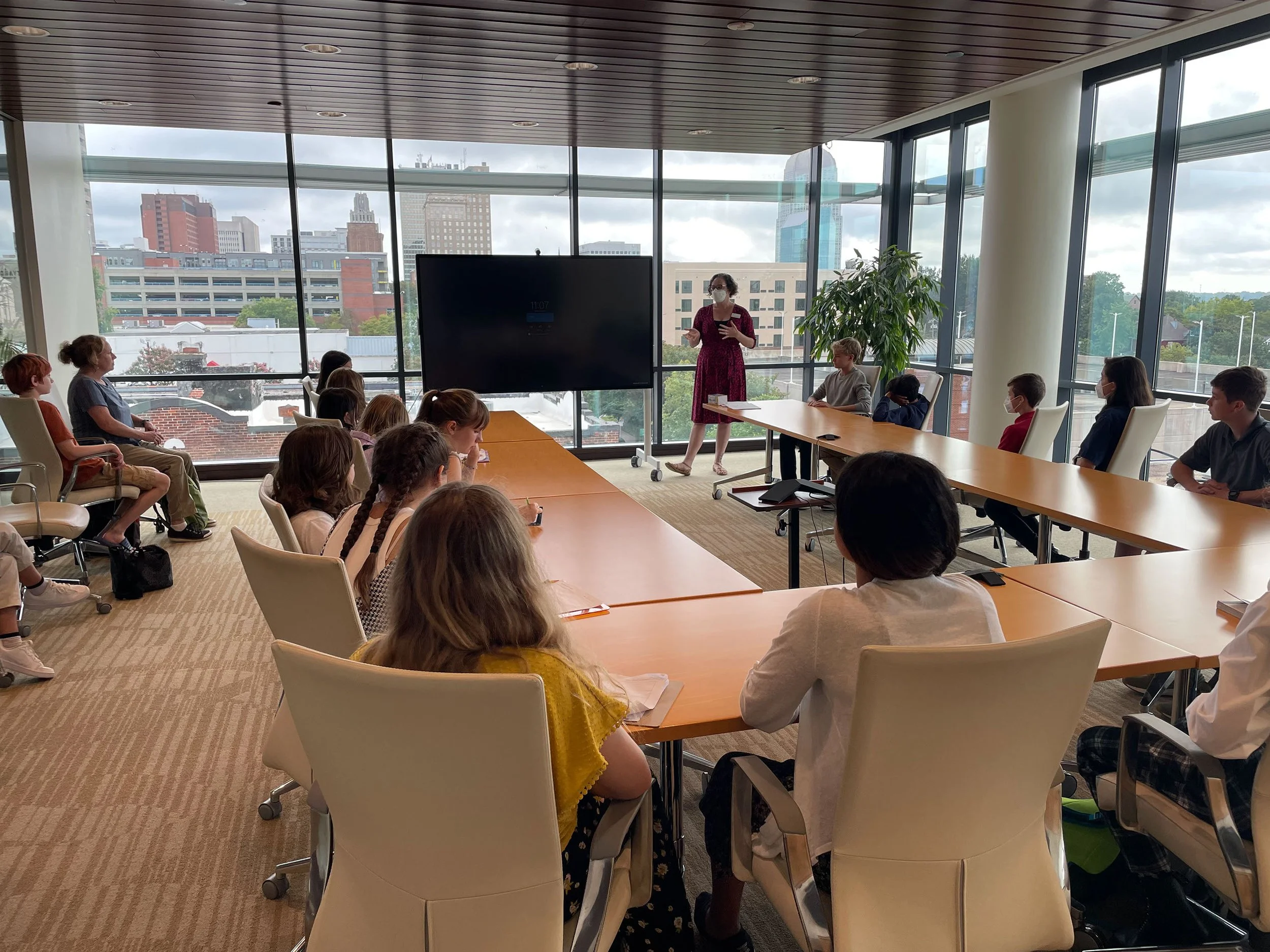
Study of Human History: History, Geography, Political Science and Economics
Interpersonal skills, communication and conflict resolution
Business and personal financial literacy and management
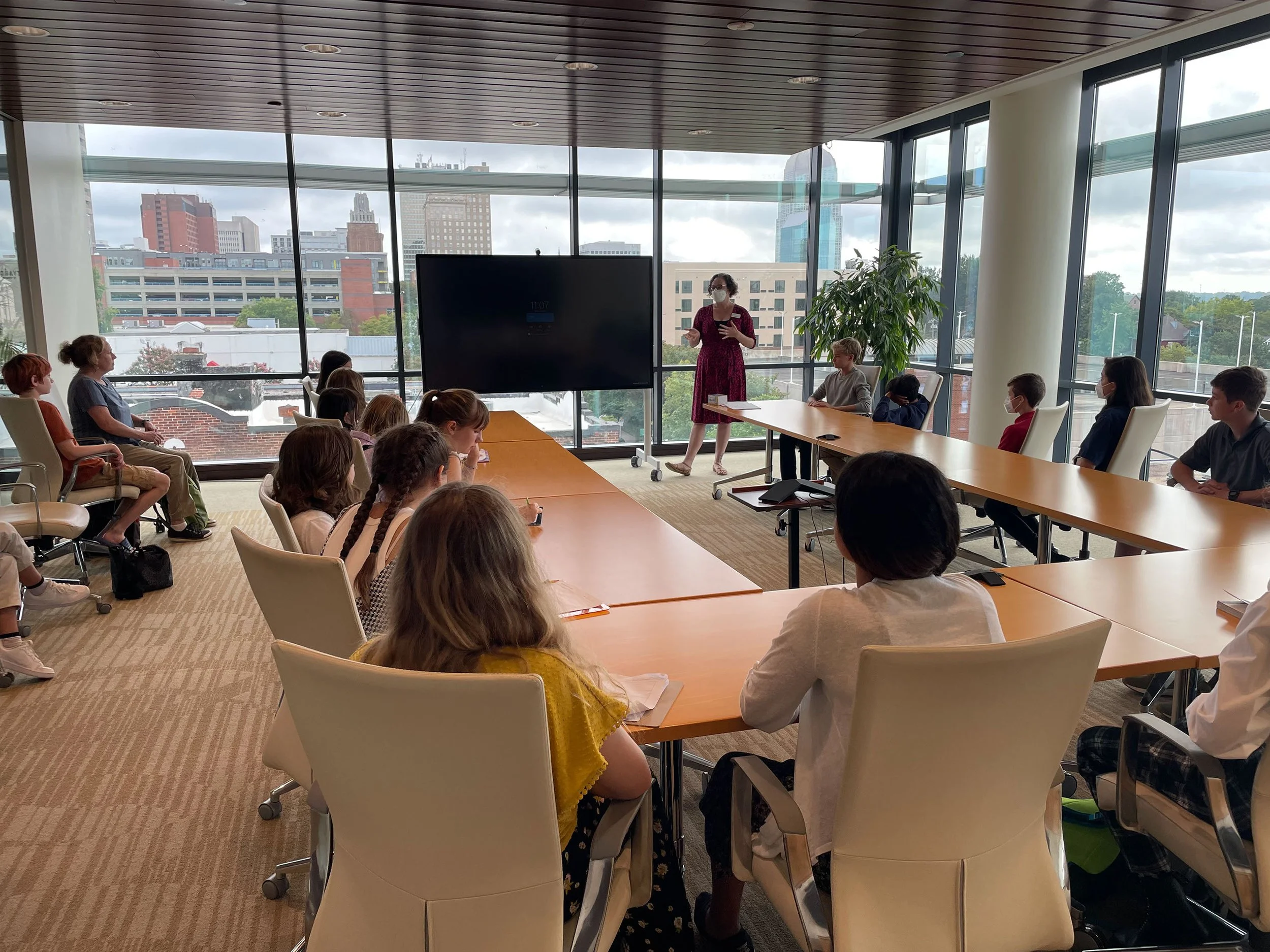
Education in Relation to Intellectual Development
Intellectual development is developed and cultivated over a lifetime, becoming more and more complex as these abilities are nurtured. These intellectual abilities include moral education, language and mathematics. These three components are red threads that weave across all aspects of the curriculum and can be found in all aspects of their individual works and projects. The subjects studied in this area:
Moral education: civility, citizenship, civics, and community
Mathematics: arithmetic, geometry, algebra, and measurement
Language: writing, grammar, reading, research and world language
Dr. Montessori speaks of an Adolescent Center for Study and Work where the transformation to adulthood can be fulfilled, a Center which authentically embodies:
A community where young people learn how to live in a productive society
An ethic that speaks to the virtues which reflect human heartedness, respect, and trust
Meaningful roles which relate to the work at hand and which impact the functioning of the group
Clear parameters of behavior which guard the human rights of all
A genuine balance of freedom and responsibility as young people engage in independent and group studies
Questions? Email Tracy Carr at admissions@wsmontessori.org




Read more about the Winston-Salem Montessori School Adolescent Program…


